The Best Places to Journal (And Why Location Matters Less Than You Think) | JournPadwellness
The Best Places to Journal (And Why Location Matters Less Than You Think)
journalinghabitsenvironmentroutinesproductivitywellnessaudio journalingjournpad
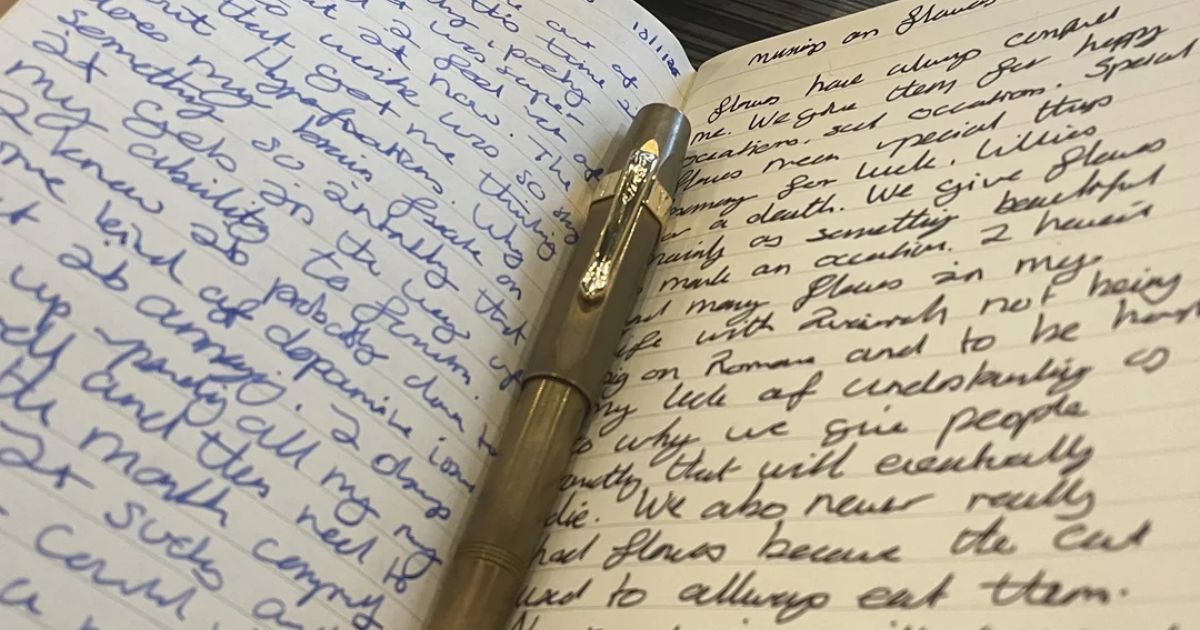
If you imagine “the perfect journaling scene,” you might picture:
- a quiet café
- a beautiful notebook
- soft light and background music
Those moments are great when they happen. But most real life doesn’t look like that.
The good news: you don’t need a perfect setup to journal meaningfully.
You just need places that feel safe, practical, and honest for you.
Here are some of the best places to journal — and how JournPad lets you turn almost anywhere into a private, low‑friction journaling space.
1. The “first thing in the morning” spot
For many people, the easiest place to journal is wherever they naturally spend their first 10–15 minutes of the day:
- sitting on the edge of the bed
- at the kitchen table with coffee
- in a favorite chair near a window
- Your mind is less crowded with other people’s opinions.
- You haven’t fully switched into “perform” mode yet.
- You can catch raw thoughts, dreams, and feelings before they get buried.
With JournPad, this might look like:
- recording a 5‑minute voice note before you open any apps
- a quick “How do I feel waking up?” check‑in
- noting one intention for the day
You don’t need a dedicated “studio”. You just need a place where you can be half‑awake and honest.
2. Your commute (bus, train, or passenger seat)
Commutes are often dead time: scrolling, staring out the window, or stressing about the day.
They can also be a perfect low‑pressure journaling window.
- You’re already sitting still.
- You’re in between roles (home you vs. work you).
- Mild background noise can actually make it easier to speak freely.
With a paper notebook, this can be awkward. With JournPad, you can:
- record a voice entry on the bus or train with headphones in
- talk through what you’re worried about before work
- decompress on the way home instead of carrying everything into the evening
No one knows whether you’re listening to a podcast or recording the most honest conversation you’ve had with yourself all week.
3. Walking spots: parks, neighborhoods, trails
Some people think better while moving.
If you struggle to sit still and write, try turning your walks into mobile journaling sessions:
- a loop around your block
- a nearby park
- a quiet trail or path
- Movement helps process stress and emotion.
- You’re away from screens and distractions.
- Being outside can make problems seem smaller and more manageable.
- hit record, drop your phone in your pocket, and talk as you walk
- tag the entry later (work, relationships, ideas, etc.)
- re‑listen to your “walking thoughts” as a playlist for reflection
This is one of the easiest ways to sneak journaling into an already‑existing routine.
4. Cafés and third places
Cafés, libraries, and co‑working spaces are classic journaling spots for a reason:
- light background noise
- a sense of being around people without having to talk
- a small ritual (order drink, open notebook or app, begin)
- The change of environment tells your brain, “Now we reflect.”
- It can feel less emotionally intense than journaling in your bedroom.
- You can carve out a weekly or monthly “review session” there.
- review past entries over a coffee
- record a longer reflection about the month or week
- plan upcoming goals, then capture a quick audio commitment
You don’t have to go often. Even one café “journaling date” every few weeks can feel like a reset.
5. The “between things” spaces
Some of the best journaling happens in tiny gaps:
- just before a meeting starts
- in your parked car, 5 minutes early
- on a bench while waiting for someone
- in the hallway after a difficult conversation
These are moments when your emotions are fresh — but you might not have pen and paper.
This is where audio journaling really shines:
- open JournPad
- record 1–3 minutes of what just happened and how you feel
- tag it (e.g. “work”, “family”, “anxiety”, “win”)
- re‑listen to those short clips as a timeline of your reactions
- notice patterns (same triggers, same thoughts, same wins)
- turn them into longer written or audio reflections if you want
You don’t always need a full “session.” Sometimes a well‑timed, honest 90‑second entry changes everything.
6. Bedtime corners
Nighttime can be emotionally intense:
- your brain finally has space to replay the day
- unresolved worries get louder
- you remember everything you didn’t do
A simple journaling routine in your bedtime spot can:
- offload thoughts so they don’t keep you awake
- capture small wins you’d otherwise forget
- help you close the loop on the day
- you can whisper a short reflection in the dark
- log one thing that felt heavy and one thing that felt good
- listen back to your morning intention and see how it went
No lamp, no notebook, no sitting at a desk required.
7. “Safe places” away from other people’s eyes
For some, the biggest barrier to journaling is fear that someone will read it:
- a parent
- a partner
- a roommate
- a curious friend or coworker
That fear is real — and it changes how honest you’re willing to be.
- a parked car
- a quiet corner of a park
- a stairwell at work
- a storage room or empty office
In those spots, JournPad becomes:
- a private channel to say what you can’t say out loud
- something that lives behind a login, not in a visible notebook
- a way to have a “real talk” with yourself without leaving a physical book behind
For truly sensitive topics, your location plus digital privacy can make the difference between shallow entries and real honesty.
8. The places you already love
Finally, some of the best places to journal are simply:
- the café you already go to
- the park bench you always choose
- the corner of your couch that feels like home
- the rooftop, balcony, or staircase where you think best
You don’t have to invent new locations. Instead, you can:
- attach journaling to places you already enjoy
- let JournPad live on your phone so you’re always one tap away
- use audio to match the vibe: relaxed, unpolished, human
The “where” matters less than:
- how safe you feel there
- how easy it is to start
- how honest you’re willing to be in that space
Anywhere Can Become a Journaling Place with JournPad
The classic image of journaling is pen and paper at a quiet desk.
That still works. But with a phone, headphones, and JournPad, your journaling places can expand to:
- bus seats
- walking paths
- parked cars
- lunch breaks
- airport gates
- late‑night kitchen tables
Anywhere you can think, you can record.
You don’t have to wait until conditions are perfect.
You just have to start where you are — and give your thoughts a place to land.