Others lose them in mid‑life, while raising their own kids.
Others lose them in their 50s or 60s and still describe feeling like an orphan.
The common thread: however old you are, losing a parent can make you feel suddenly small, untethered, and alone.
You are not immature for feeling this way. You are human.
This is not a list of clichés about “moving on.” It’s an honest look at what healthy grief can look like — and how you can live with the loss of a parent without demanding that the pain disappear.
You Don’t “Get Over” It — You Learn to Live Around It
Many people describe grief as something you , not something that goes away.
grow around
Two metaphors capture this:
The rock: At first, it feels like someone has handed you a huge rock. It’s heavy, exhausting, and you can barely carry it. Over time, your muscles strengthen. The rock doesn’t shrink, but you get more able to live while carrying it.
The tree: Imagine a young tree growing around a metal fence post. It doesn’t remove the post. It slowly grows around it. The loss becomes part of its shape.
Healthy expectations:
You will not wake up one day “over it.”
You can get to a place where the grief is not crushing you every day.
Bad days will still come, often around anniversaries, holidays, or unexpected triggers — but they come less often, and they don’t last as long.
Grief changes you. That isn’t failure; it’s reality.
Why Losing a Parent Hurts So Much (Even If You’re Grown)
A parent is rarely just “another relative.”
They are:
Your first attachment figures.
Your first model of safety (or the lack of it).
Your longest continuous relationship on earth.
So when a parent dies:
Your sense of security takes a hit, even if you’re financially and practically independent.
Your life story shifts. There is now a “before they were gone” and an “after.”
You may feel surprisingly young inside, no matter what your age is on paper.
That feeling of being “orphaned” at 40, 50, or 60 is not childish. It is your nervous system reacting to the loss of someone who has been there for as long as you have been alive.
The End Is Often the Hardest Part to Carry
Many people find that the final images of their parent are the ones that stick the hardest:
Hospital rooms.
Machines and tubes.
The “death rattle.”
The exact moment of the last breath.
The shape of their face, eyes half‑open.
These moments matter, and they can be traumatic. But they are not the whole story of who your parent was.
Over time, part of healing is:
Allowing earlier memories to come back into focus.
Consciously remembering your parent as they were in the middle seasons of life, not only at the very end.
Letting your brain store the “end” in context, instead of replaying it on a loop.
This can take time. It’s common to need support (therapy, support groups, or trusted friends) to process what you saw.
Grief Has No Schedule
You may notice:
The first weeks or months: shock, numbness, intense crying, brain fog.
The first year: “first” holidays, birthdays, anniversaries without them — often very raw.
Beyond the first year: longer stretches of “okay” days, interrupted by sharp waves of grief.
Important truths:
There is no deadline by which you should “be fine.”
Feeling a surge of pain years later does not mean you’re “back at square one.”
A sudden cry in the car, a breakdown at a song or smell, is normal.
Think of grief less as a straight line, and more as waves. The goal is not to stop the waves. The goal is to learn to float when they come.
Common Thoughts That Make Grief Harder
Certain beliefs will intensify your suffering. Watch for these:
“I should be over this by now.”
No. There is no “should.” Replace this with: “I’m still grieving because they mattered to me.”
“Other people had it worse, so I shouldn’t be this upset.”
Grief is not a competition. Your pain is valid even if someone else’s story looks “harder” on paper.
“I’m weak or immature for missing them this much.”
Missing your parents is a sign that there was real attachment — even if the relationship was complicated.
“If I start crying, I’ll never stop.”
In reality, intense crying tends to crest and fall within minutes. Allowing waves of emotion is part of how your nervous system recalibrates.
Notice and challenge these thoughts when they appear. They are not facts; they are pressure.
Practical Ways to Live With the Loss
Grief is emotional, but it’s also behavioral. What you do matters.
Here are practices that help many people:
Give your grief a place to go
Unexpressed grief often shows up as:
irritability
numbness
difficulty concentrating
physical tension or fatigue
You need containers where grief is allowed.
Examples:
Writing letters to your parent.
Recording voice notes about them (JournPad is ideal for this).
Setting aside 10–15 minutes a few times a week to feel and express, instead of pushing it down.
The goal is not to wallow endlessly, but to give the feelings a safe channel.
Talk to them, not just about them
You can:
Speak to them out loud in the car or on a walk.
Record audio messages in JournPad as if they could hear you.
Tell them what your day was like, what the kids are doing, what you wish you could ask them.
Whether you believe they “hear” you or not, this keeps the relationship psychologically alive in a healthy way.
Build small rituals of remembrance
Rituals can turn raw pain into honored memory.
Ideas:
Cooking their favorite meal on their birthday.
Keeping a recipe card, watch, or small object where you see it daily.
Visiting a place you shared and spending a few minutes reflecting.
Creating a private “audio capsule” in JournPad where you store stories about them, to replay later or share with your own children.
Rituals don’t erase grief, but they give it structure and meaning.
Let other people carry some of it with you
Grief is easier to carry when:
you tell trusted people what you’re going through
you share stories and memories with siblings, cousins, or friends
you join a grief group (in person or online) and hear “me too” from others
If your friends haven’t yet lost parents, they may not fully understand. That doesn’t mean your grief is wrong. It may just mean you need both:
your usual support circle, and
people who’ve been where you are.
Consider grief counseling
You don’t have to be “broken” to deserve support.
Grief‑trained therapists can help you:
process the moment of death or traumatic images
untangle complicated or mixed feelings about your parent
differentiate normal grief from depression or anxiety
find ways to remember without being swallowed up
If your grief is interfering with sleep, work, or basic functioning for a long time, counseling is not overkill — it’s wise.
If You Lost a Parent Young
Losing a parent in childhood or adolescence is different from losing one as an adult.
You may feel:
robbed of guidance during key life stages
angry at people who still “have both parents”
like your life split into “before” and “after” very early
In adulthood, that early loss can resurface when you:
have children of your own
hit the age your parent was when they died
face big decisions and wish they were here
It’s never “too late” to grieve an old loss. Many people in their 30s, 40s, and 50s finally give themselves permission to process what happened when they were young.
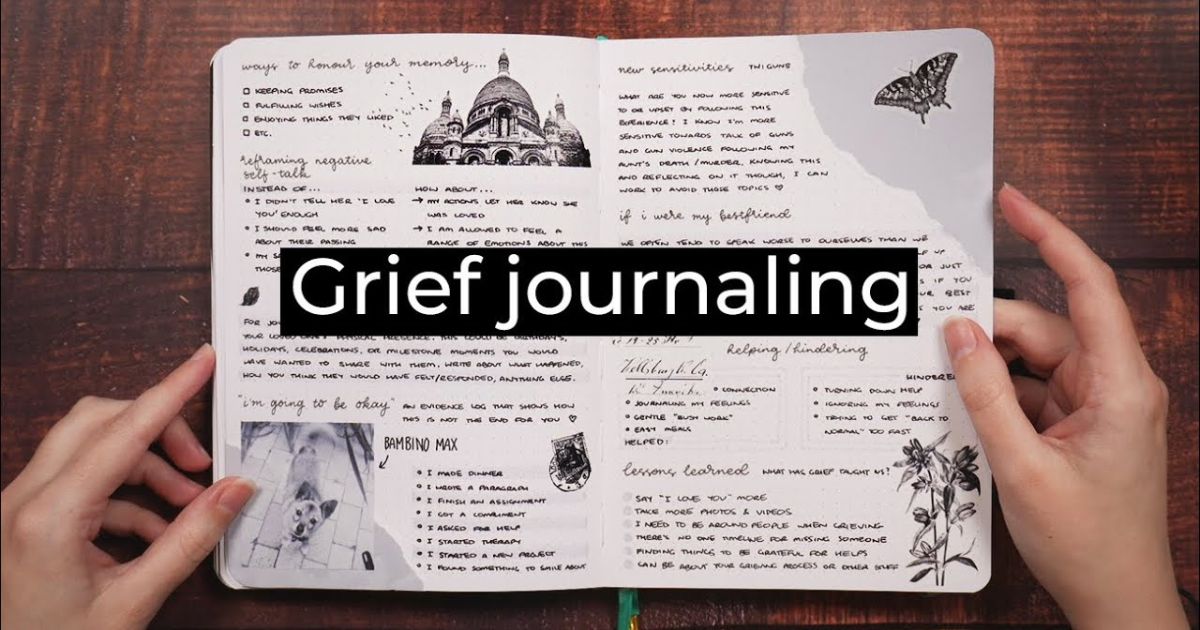
Journaling — especially through voice — can help you:
speak from your present adult self to your younger self
tell that younger self what they survived
acknowledge how unfair it was, without getting stuck there forever
If You Lost a Parent as an Adult With Your Own Family
Losing a parent while you’re raising children is its own kind of heartbreak:
You grieve as a child who lost a parent.
You grieve as a parent whose kids lost a grandparent.
You grieve the future moments they’ll never see: graduations, weddings, births, ordinary days.
Common feelings:
Jealousy of friends whose parents babysit or show up at events.
Guilt when you can’t “perform” for your kids because you’re exhausted from grieving.
Feeling like you have to be strong for everyone and never fall apart.
Healthy counter‑moves:
Let your kids see some of your sadness. It teaches them that grief is real and survivable.
Capture stories about your parent for your children:
audio entries about “the day you were born” from your perspective
short recordings in JournPad about your favorite memories with them
Ask trusted adults (aunts, uncles, family friends) to share their stories too, so your kids get a fuller picture.
You’re allowed to be both a grieving child and a present parent. They’re not mutually exclusive.
How Journaling (and Audio Journaling) Can Help
You don’t have to journal to heal from grief, but used well, it can be a powerful ally.
Why it helps
It gets looping thoughts out of your head and into a container.
It helps you see patterns in how your grief comes and goes.
It lets you express things you’re not ready to say to anyone else.
Why audio can be especially powerful
With an app like JournPad, you can:
speak when the emotions are too strong to write
capture the exact tone of your voice when you talk about your parent
replay certain entries when you want to remember how far you’ve come
create playlists of memories (e.g. “Stories about Mom,” “What I want my kids to know about Grandpa”)
This becomes both:
a tool for your healing now, and
a gift you may one day pass down, if you choose.
You Don’t Have to Rush Your Healing
There is no exam at the end of grief. No one is waiting to grade you on how quickly you “accept” your parent’s death.
What you can do is:
Let your grief be real instead of judging it.
Keep building a life your parent would recognize as fully lived.
Honor them not just by being sad, but by carrying their best qualities forward: kindness, curiosity, courage, humor, faith — whatever they gave you.
You don’t owe the world a version of you who never feels this loss.
You owe yourself patience, compassion, and the time it takes to grow around the space they left.
If your parent loved you, they wanted you to have a full life — even in a world where they are no longer physically here.
Living that life is one of the deepest ways you can honor them.